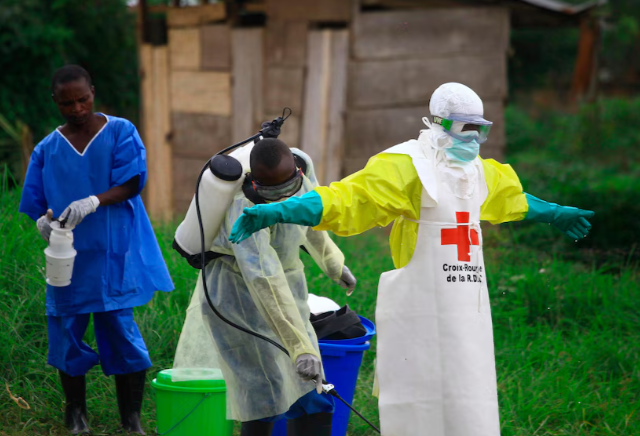
Recent global warnings about rising pandemic risks are a timely reminder that resilient supply chains are now fundamental to national resilience.
While public discussion often focuses on healthcare systems, one of the clearest lessons from COVID-19 was the critical role played by the cold chain industry in maintaining food security, pharmaceutical distribution, and essential services during prolonged disruption. The challenge for the future is not simply responding to crises but building systems capable of continuing to operate under increasingly complex pressures including pandemics, cyber threats, climate events and geopolitical instability.
For Australia’s refrigerated warehousing and transport sector, this means resilience must become part of everyday operational design through investment in workforce capability, automation, energy security, digital traceability and stronger industry-government collaboration.
The pandemic demonstrated that the cold chain is not simply a supporting service operating behind the scenes, but a critical national capability that underpins the stability of communities, healthcare and the economy. The lessons learned over recent years now provide the industry with an opportunity to lead the conversation on preparedness, adaptability and long-term supply chain resilience.
The global risk landscape is shifting. This ABC report is a timely read for anyone working in cold chain, logistics or food supply, because when the next disruption hits, our sector will again be on the front line.