
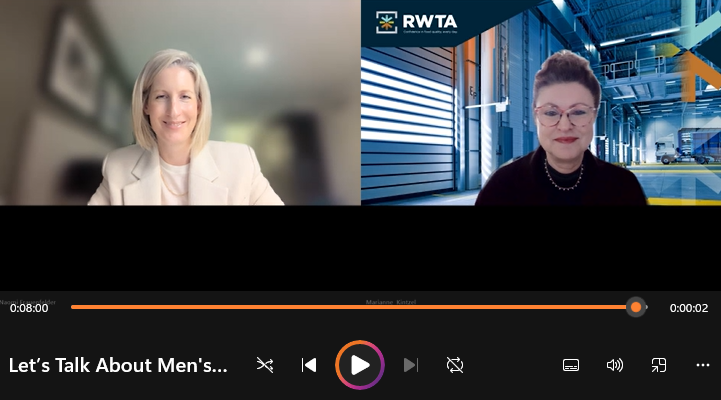
Tying off June and the Mental Health for Men Awareness Month.
Tying off June and the Mental Health for Men Awareness Month, Marianne is speaking with the CEO of Healthy Heads, Trucks and Sheds, Naomi Frauenfelder about looking after Mental Health, not just in June but year round.

Marianne is speaking with the CEO of Healthy Heads, Trucks and Sheds, Naomi Frauenfelder about looking after Mental Health, not just in June but year round.
We recommend if you or someone you know is looking for some support, get in touch with TIACS https://www.tiacs.org/
They are a professional, free text and call counselling service offering mental health support to Australia’s blue collar community.
Text or call Mon-Fri 8am-10pm AEST 0488 846 988
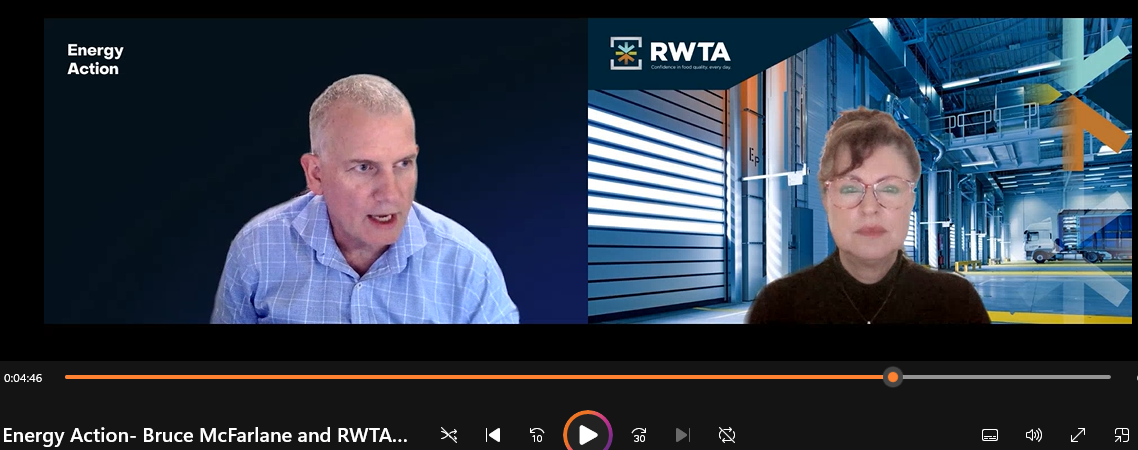
New Member Introduction- Energy Action!
Watch now as we introduce New Member of the RWTA, Bruce McFarlane from Energy Action explore the growing impact of energy management across the cold chain sector.

Watch now as we introduce our latest Member to the RWTA - Bruce McFarlane from Energy Action. In this chat, we are exploring the growing impact of energy management across the cold chain sector.
Bruce discusses how organisations can use smarter energy insights and data analysis to drive efficiencies, reduce costs, and support better operational decisions across all levels of a business.
The interview also highlights the value Energy Action brings to industry through strategic energy solutions and forward-thinking support for Australian businesses.
Take a few moments to watch this latest instalment of the Chilled Out Series!
For more information please contact:
Bruce Macfarlane
Executive Director
m:+61 408 630 534
w: energyaction.com.au
e:bruce.macfarlane@energyaction.com.au
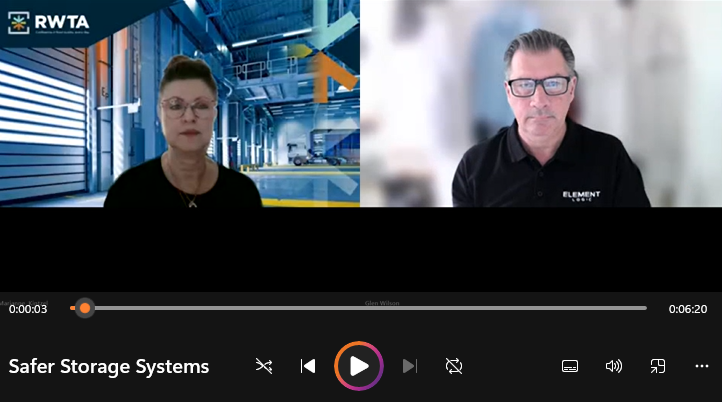
NRWTA Chilled Out Series: Building Smarter Cold Stores with New member,Element Logic (Safer Storage Systems)ber : Element Logic
Marianne speaks with Glen Wilson from our new member Element Logic (Safer Storage Systems) about the unique challenges of operating in refrigerated and frozen environments.
Warehouse design has a significant impact on the safety, efficiency and profitability of Australia's cold chain. In this edition of the RWTA Chilled Out Series, Marianne speaks with Glen Wilson from Element Logic (Safer Storage Systems) about the unique challenges of operating in refrigerated and frozen environments.
The discussion explores how businesses can maximise storage capacity within existing facilities, avoid common design pitfalls, and ensure their warehouse infrastructure supports safe, efficient and future-ready operations. Whether you're planning a new facility or looking to get more from your current site, this interview offers valuable insights for every cold chain operator.
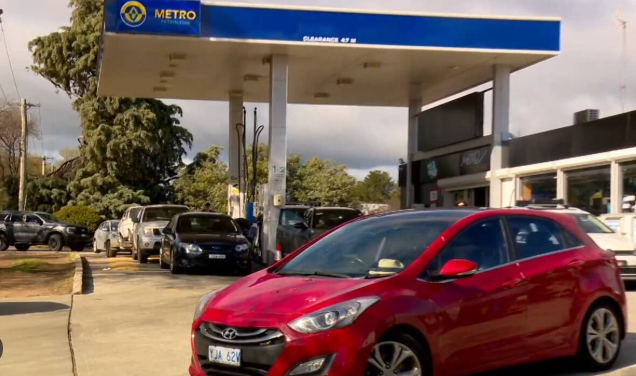
July Bowser Relief
The Federal Government has announced a one-month extension of its fuel excise relief measures, with the reduced fuel tax to remain in place from 1 July to 2 August.
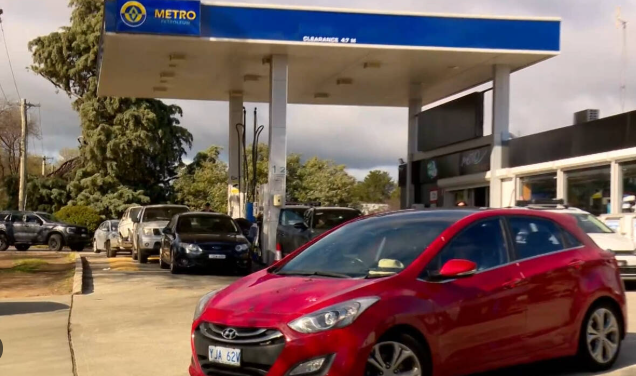
The Federal Government has announced a one-month extension of its fuel excise relief measures, with the reduced fuel tax to remain in place from 1 July to 2 August.
The extension is expected to lower petrol and diesel prices by around 16 cents per litre compared with standard fuel tax settings, saving motorists approximately $11 when filling a 65-litre tank.
Heavy vehicle operators will also benefit, with the Heavy Vehicle Road User Charge reduced by the same amount for the month, providing additional cost relief for the freight and logistics sector.
The Government says the extension is designed to help households and businesses manage ongoing cost-of-living pressures while global fuel markets stabilise. It follows the three-month fuel excise reduction introduced in April and comes amid continued uncertainty in international energy markets. The Australian Competition and Consumer Commission (ACCC) will continue monitoring retail fuel prices to ensure the tax savings are passed on to consumers, while the Government has reaffirmed its broader commitment to strengthening Australia's fuel security and supporting transport operators during periods of market volatility.
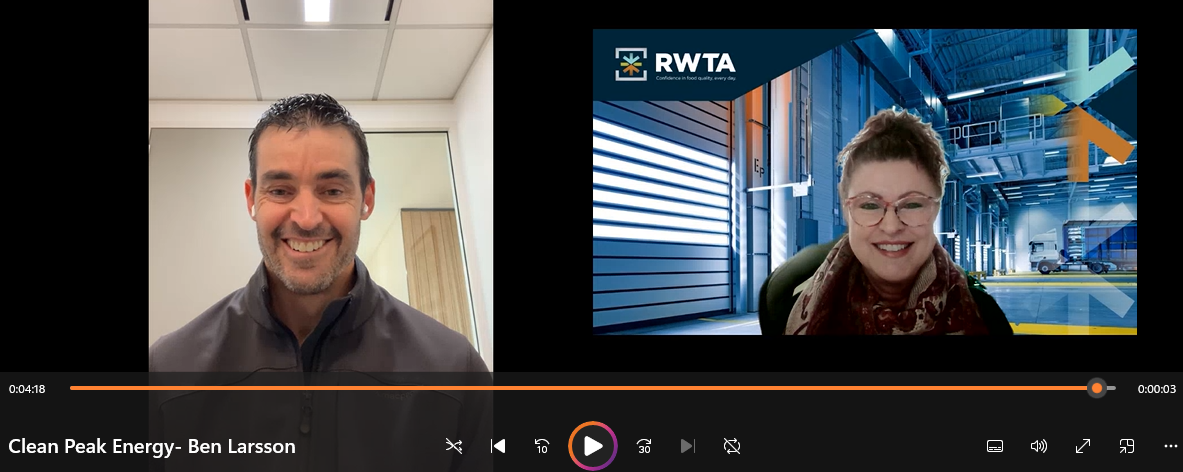
New Member CleanPeak Energy to Cut Cold Chain Energy Costs
Ben Larsson from CleanPeak Energy shares practical insights into how solar, battery storage and smart energy solutions are helping cold chain businesses improve resilience while reducing operating costs.

Energy costs continue as one of the biggest challenges facing refrigerated warehouses and transport operators across Australia.
In this latest RWTA Chilled-Out Series interview, Ben Larsson from CleanPeak Energy shares practical insights into how solar, battery storage and smart energy solutions are helping cold chain businesses improve resilience while reducing operating costs.
Watch now to learn where the biggest opportunities lie and what a successful energy transition looks like for our industry.
For more information please contact:
Ben Larsson
Manager, BD and Commercial
M: 0421 677 935
E: ben.larsson@cleanpeakenergy.com.au

Looking Out for Your Mates in the Warehouse, Depot and On the Road
In high-pressure workplaces, it's often a teammate who first notices when something's wrong. Learn how to spot the signs, start the conversation, and support the people around you when it matters most.

The transport and logistics industry has always relied on teamwork and success depends on people looking out for one another. This applies to mental health too.
Many men find it difficult to speak openly when they are struggling. In workplaces where resilience and self-reliance are highly valued, it can be even harder for someone to admit they need help. As a result, colleagues, supervisors, friends and family members are often the first people to notice when something has changed.
The signs can be subtle. A normally reliable worker may become withdrawn or disengaged. Someone who is usually easy-going may become unusually irritable or short-tempered. You might notice a colleague who no longer joins in conversations during breaks, appears constantly fatigued, struggles to concentrate, or seems overwhelmed by situations they would normally handle with ease. For drivers, it may be increased frustration on the road or reluctance to communicate with others. For warehouse workers, it may show up as changes in attitude, performance or interactions with the team.
If you're concerned about someone, don't wait for the perfect moment or worry about having all the right words. A simple conversation can make a difference. Asking "How are you really going?" or "You don't seem yourself lately" can open the door for someone to talk about what they're experiencing. The most important thing is to listen without judgement and avoid immediately trying to fix the problem.
Supporting someone doesn't mean taking responsibility for solving their challenges. It means helping them feel heard and encouraging them to seek professional support if they need it. Sometimes knowing that someone has noticed and cares can be enough to start the journey towards getting help.
The cold chain industry operates around the clock, often in demanding conditions and under significant pressure. Looking out for your mates is not just good teamwork, it can save lives. By paying attention, starting conversations and supporting one another, we can help create workplaces where mental health is treated with the same importance as physical safety.
After all, the strongest teams aren't the ones where nobody struggles. They're the ones where nobody has to struggle alone.

El Niño and the Cold Chain in 2026
The Bureau of Meteorology has declared that El Niño conditions are now active across Australia, bringing an increased likelihood of below-average rainfall, higher temperatures and an elevated risk of drought this year.

The Bureau of Meteorology has declared that El Niño conditions are now active across Australia, bringing an increased likelihood of below-average rainfall, higher temperatures and an elevated risk of drought this year. Meteorologists are forecasting a strong to very strong event, with the effects expected to persist well into the second half of the year. While the severity and duration can vary across regions, El Niño events have historically been associated with hotter and drier conditions across large parts of eastern and southern Australia, placing pressure on agricultural production, water availability and critical infrastructure.
For Australia's cold chain sector, prolonged hot and dry conditions present a range of operational challenges. Higher ambient temperatures increase demand for refrigeration and temperature-controlled transport, leading to greater energy consumption and operating costs for cold stores, distribution centres and refrigerated fleets. Agricultural producers may also face reduced yields and quality impacts due to drought conditions, potentially affecting the volume and availability of fresh produce, meat and dairy products moving through the supply chain. Add to that an increased risk of bushfires and extreme weather events can disrupt transport networks, threaten power reliability and place additional pressure on logistics operations.
As a result, cold chain businesses will need to focus on energy efficiency, contingency planning and supply chain resilience to maintain product integrity and service levels throughout the El Niño period.
For the Australian cold chain, preparing for El Niño is not just about managing higher temperatures, it's about building resilience across facilities, transport networks and supply chains. Businesses should review the capacity and efficiency of refrigeration systems to ensure they can cope with sustained periods of extreme heat. Preventative maintenance programmes become even more important, as refrigeration equipment, condensers and cooling systems will be working harder and are more vulnerable to failure during heatwaves. Organisations should also assess backup power arrangements and business continuity plans, particularly in regions where electricity networks may come under pressure from increased demand or bushfire-related disruptions.
Supply chain planning will also be critical. Cold chain operators should work closely with growers, producers and customers to understand potential impacts on product availability and volumes. Reviewing transport routes, fuel supplies and contingency options can help minimise disruptions caused by bushfires, road closures or extreme weather events. Many businesses are also using periods of elevated energy demand to accelerate investments in energy-efficient refrigeration, solar generation, battery storage and other technologies that reduce operating costs while improving reliability. Ultimately, organisations that focus on preparedness, flexibility and collaboration across the supply chain will be best positioned to manage the challenges that a prolonged El Niño event may bring.
For RWTA members, the key message is that resilience starts before the heat arrives.
Facilities should review emergency response plans, test backup systems, train staff on heat-related risks, and ensure temperature monitoring and alarm systems are functioning effectively.
While El Niño creates additional operational challenges, it also provides an opportunity for the cold chain industry to, yet again, demonstrate its critical role in protecting food quality, food security and supply chain continuity during periods of environmental stress.

When the Load Gets Heavy: Recognising the Signs in Yourself
Mental health struggles are common amongst Australian men, yet many continue to suffer in silence. In industries such as transport and logistics, where long hours, shift work, fatigue and operational pressures are often part of the job, it can be easy to dismiss the signs that something isn't quite right.

The Australian Cold Chain is built on people who get the job done.
Whether you're driving a truck through the night, managing a busy warehouse floor, loading freight in a cold store or coordinating deliveries under tight deadlines, the industry depends on people who are reliable, resilient and willing to push through challenges.
But constantly pushing through can come at a cost.
Mental health struggles are common amongst Australian men, yet many continue to suffer in silence. In industries such as transport and logistics, where long hours, shift work, fatigue and operational pressures are often part of the job, it can be easy to dismiss the signs that something isn't quite right. Many workers don't recognise they are struggling until the effects start spilling over into their work, relationships and daily lives.
According to Beyond Blue, almost half of Australian men will experience anxiety or depression at some point in their lives. The signs are not always obvious. You may find yourself becoming more irritable with colleagues or family members, feeling constantly stressed, struggling to switch off after work, or losing interest in activities you normally enjoy. Some people withdraw from friends and family, while others find themselves relying more heavily on alcohol to unwind after a difficult shift. Sleep problems, fatigue and difficulty concentrating can also be indicators that your mental wellbeing needs attention.
If you've noticed changes in your mood, behaviour or energy levels, don't ignore them. Talk to someone you trust, whether that's a partner, mate, colleague or manager. Staying connected with people around you can make a significant difference. Regular exercise, quality sleep and maintaining social connections can also help improve your mental wellbeing.
Most importantly, seek professional support if you're struggling. Speaking to a GP or mental health professional is no different to seeking treatment for a physical injury. Looking after your mental health is part of staying fit for work, for your family and for the future.
The freight may keep moving, but that doesn't mean you have to carry every burden on your own.

Honouring a Remarkable Contribution: Congratulating RWTA Life Member, Ray Tanner AM
The Refrigerated Warehouse and Transport Association (RWTA) proudly congratulates Life Member, Raymond Lewis Tanner AM, on being appointed a Member of the Order of Australia (AM) in the General Division as part of the 2026 King's Birthday Honours.

The Refrigerated Warehouse and Transport Association (RWTA) proudly congratulates Life Member, Raymond Lewis Tanner AM, on being appointed a Member of the Order of Australia (AM) in the General Division as part of the 2026 King's Birthday Honours.
This prestigious recognition acknowledges Ray's significant service to social welfare and to the transport and logistics industry over many decades.
A highly respected leader and advocate, and indeed favourite personality at our Adelaide Golf Days, Ray has made an outstanding contribution to Australia's cold chain and transport sectors through his dedication, expertise and commitment to industry advancement.
As a valued RWTA Life Member, Ray's achievements reflect the highest standards of leadership, professionalism and community service.
We extend our sincere congratulations to Ray on this well-deserved honour.

How Are You Really Doing? Beyond What You Do?
This June, as we recognise Men's Health Month, the focus is on the health and well-being of men.

This June, as we recognise Men's Health Month, the focus is on the health and wellbeing of men.
Men are often feel defined by the roles they perform and the responsibilities they carry, at work, at home and within their communities. They are our employees, leaders, partners, fathers, sons, mates, mentors and more.
These roles can bring great purpose and pride, but they can also become so consuming that many men rarely stop to ask themselves a simple question: How am I really doing, beyond what I DO?
Modern life unfortunately, often rewards busyness, toughness and the ability to keep going.
There is always another deadline, another bill, another problem to solve or another person depending on them. It can be easy to focus on what needs to be done next, rather than whether life is supporting their own wellbeing. Over time, some men become highly effective at meeting expectations while quietly neglecting the things that sustain them. Think connection, friendship, health, rest, purpose and joy.
The signs may not always be obvious; they can show up as tiredness, irritability, withdrawal, loss of motivation or simply feeling disconnected from the life they have worked hard to build.
Men's Health Month is also a reminder to those who are around men. That includes partners, daughters, sisters, mothers, friends and colleagues. We ALL have a role to play in encouraging honest conversations about health and wellbeing.
This does not mean taking responsibility for someone else's wellbeing, but it does mean noticing, listening and creating space for men, in this month especially, to allow them to speak without judgement.
For the men in our lives, and for the men in our industry, the question is not only whether they are coping, but whether they are truly living well. Wellbeing is not about simply getting through each day; it is about being well enough to enjoy the life, relationships and future they have worked so hard to build.
We are in it together; so this month, let’s celebrate the men in our lives with our support and care.
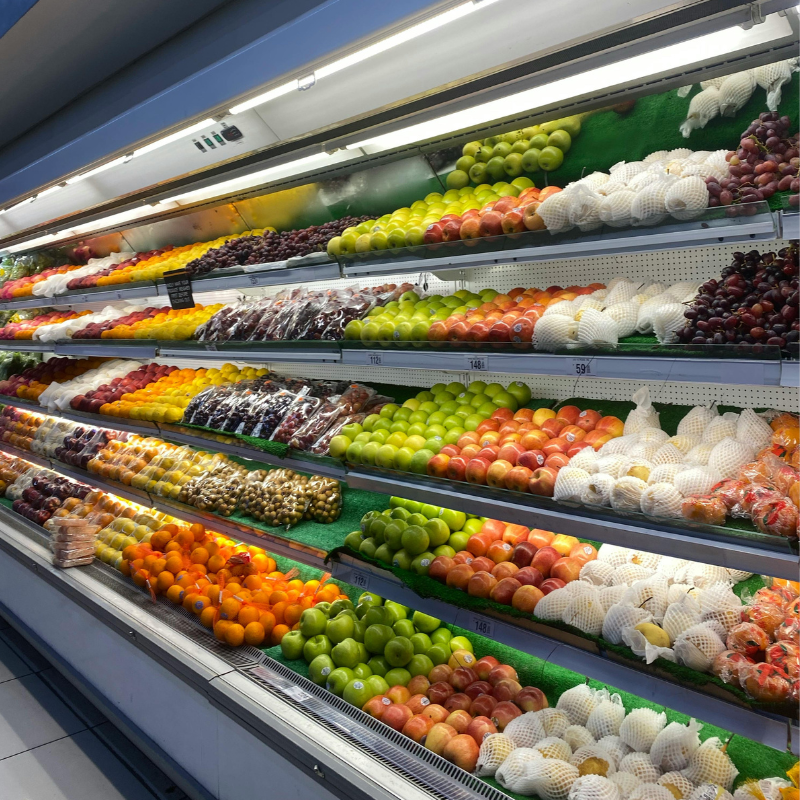
Food Security Starts with the Cold Chain: Why Australia Must Recognise Its Critical Role
The United Kingdom's Cold Chain Federation has released a white paper calling for cold chain infrastructure to be recognised as Critical National Infrastructure. At the same time, Australia is undertaking its own food security review and national supply chain assessment.
The United Kingdom's Cold Chain Federation has released a white paper calling for cold chain infrastructure to be recognised as Critical National Infrastructure.
At the same time, Australia is undertaking its own food security review and national supply chain assessment. The parallel conversations occurring on opposite sides of the world highlight an important reality: food security is about far more than food production. It relies on a resilient cold chain capable of safely storing and distributing essential products during times of disruption.
As governments increasingly focus on national preparedness and resilience, the role of the Australian cold chain has never been more important.
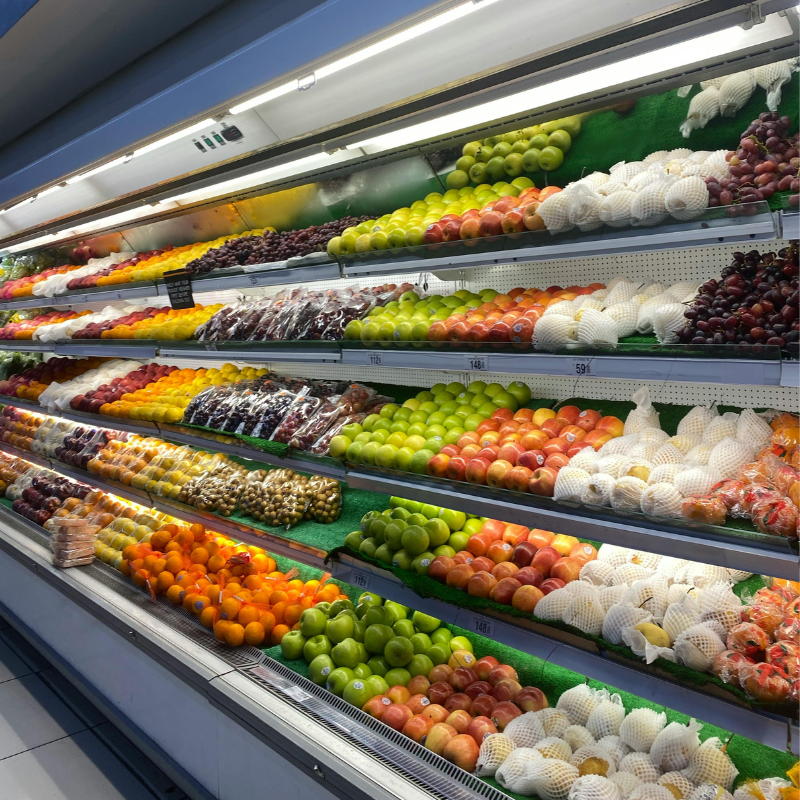
As governments around the world sharpen their focus on food security and national resilience, one message is becoming increasingly clear: food security is impossible without a strong and resilient cold chain.
The RWTA applauds that in the United Kingdom, the Cold Chain Federation has released a white paper, The Critical Link: A Resilience Strategy for Protecting UK Food Supply Against Growing Threats to the Cold Chain, calling for the country's cold chain infrastructure to be formally recognised as Critical National Infrastructure. The report argues that growing threats, including energy instability, cyber-attacks, climate impacts, labour shortages and global supply chain disruptions, are increasing risks to food availability, affordability and access.
While these discussions are occurring in the United Kingdom, Australia is facing many of the same challenges.
Recent statements from Australia's food sector have highlighted concerns about the nation's preparedness in an increasingly uncertain geopolitical environment. Industry leaders have called for food security to be elevated within national security policy and for greater focus on Australia's reliance on critical inputs such as fuel and fertiliser. The RWTA is involved in and has welcomed the Federal Government's National Food Security Plan and National Food Supply Chain Assessment, while also urging immediate action to strengthen national resilience.
Importantly, Australia's food industry is increasingly adopting a broader view of food security. Rather than focusing solely on agricultural production, stakeholders are recognising the need to consider the entire "Food Security Ecosystem", the interconnected network of agriculture, transport, energy, infrastructure, manufacturing, storage and distribution that ensures food reaches Australian consumers.
At the heart of that ecosystem sits the Australian cold chain.
Every day, refrigerated warehouses, transport operators, distribution centres, ports and logistics providers work behind the scenes to ensure food remains safe, available and accessible. Whether it is fresh produce, meat, dairy, seafood, pharmaceuticals or prepared meals, temperature-controlled logistics is the invisible infrastructure that connects producers to consumers. Food security is no longer simply an agricultural issue. It is an economic issue, a public health issue and increasingly a national security issue.
For Australia, this presents an opportunity.
As governments develop future food security strategies and resilience frameworks, the cold chain must be recognised as a critical enabler of national food security. Any discussion about preparedness, sovereign capability, supply chain resilience, or emergency response must include the infrastructure and workforce that store, transport and distribute the nation's food.
The Australian cold chain has long delivered resilience through innovation, investment and operational excellence. However, as global risks continue to evolve, there is a growing case for governments and industry to work together to ensure the sector receives the recognition it deserves.
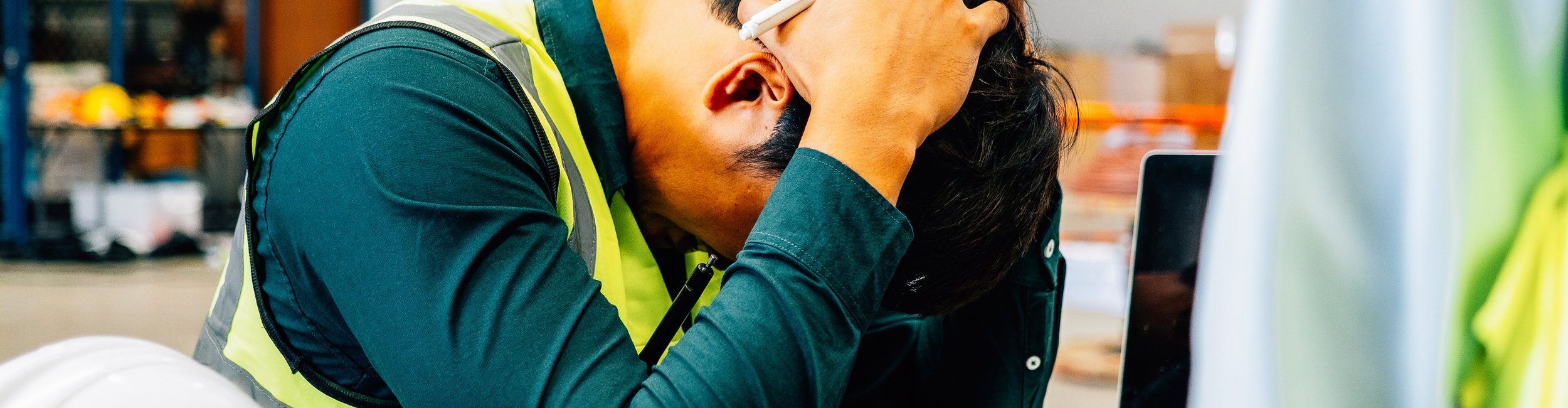
What We Store Matters. Don't Store Stress.
June is Men's Mental Health Awareness Month. It’s important to recognise that conversations about mental health are relevant in the Australian cold chain.
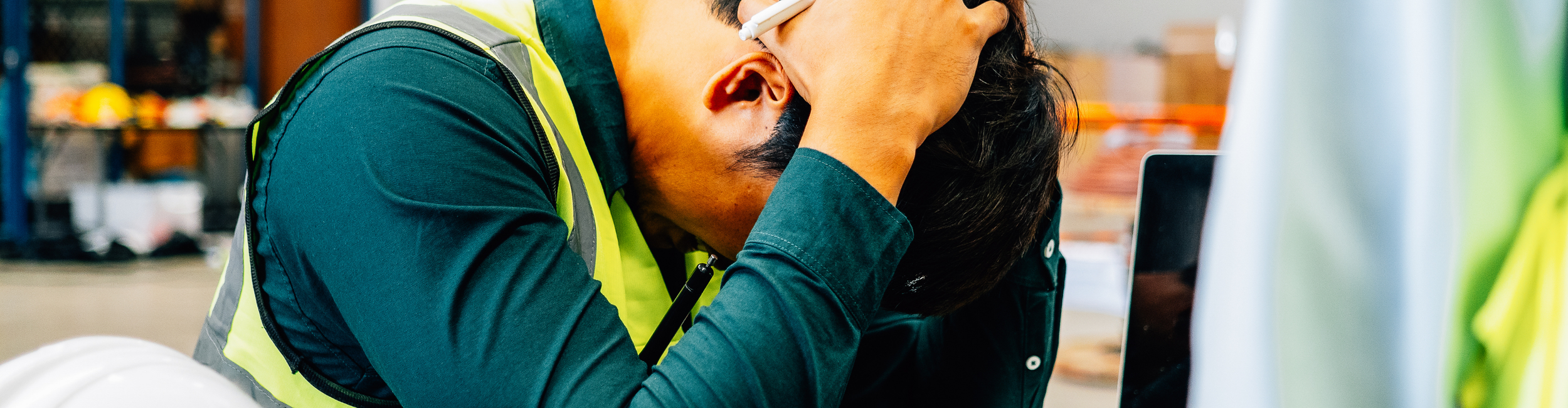
June is Men's Mental Health Awareness Month.
It’s important to recognise that conversations about mental health are relevant in the Australian cold chain. Our industry operates around the clock, often in demanding environments where employees manage tight deadlines, shift work, physical workloads, temperature-controlled facilities and the responsibility of keeping essential products moving safely across the country. While the cold chain has a strong culture of resilience and teamwork, these same qualities can sometimes make it difficult for people to speak openly about the challenges they may be facing.
At the RWTA, we believe that looking after our people is just as important as looking after our operations. Given that many roles across refrigerated transport, warehousing and logistics are predominantly occupied by men, Men's Health Month provides a valuable opportunity to start conversations that might not otherwise take place. Throughout the month, we will be exploring mental health in the cold chain and inviting members to share the initiatives, programs and support mechanisms they have in place within their businesses.
We are also pleased to highlight the work of industry wellbeing specialist Liz Tully, ‘Mental Wealth at Work” whose experience in helping organisations create healthier, more connected workplaces can provide valuable insights for our members. Find out more here.
Together, we can continue building a cold chain industry where checking in on a colleague, having a conversation and seeking support are recognised as strengths that contribute to safer and more successful workplaces.
Does your business have a mental health programme, a wellbeing initiative, a toolbox talk, an employee assistance programme, or a story worth sharing?
The RWTA would like to hear from you. Throughout the month, we will be highlighting examples of how cold chain businesses are supporting the well-being of their people.
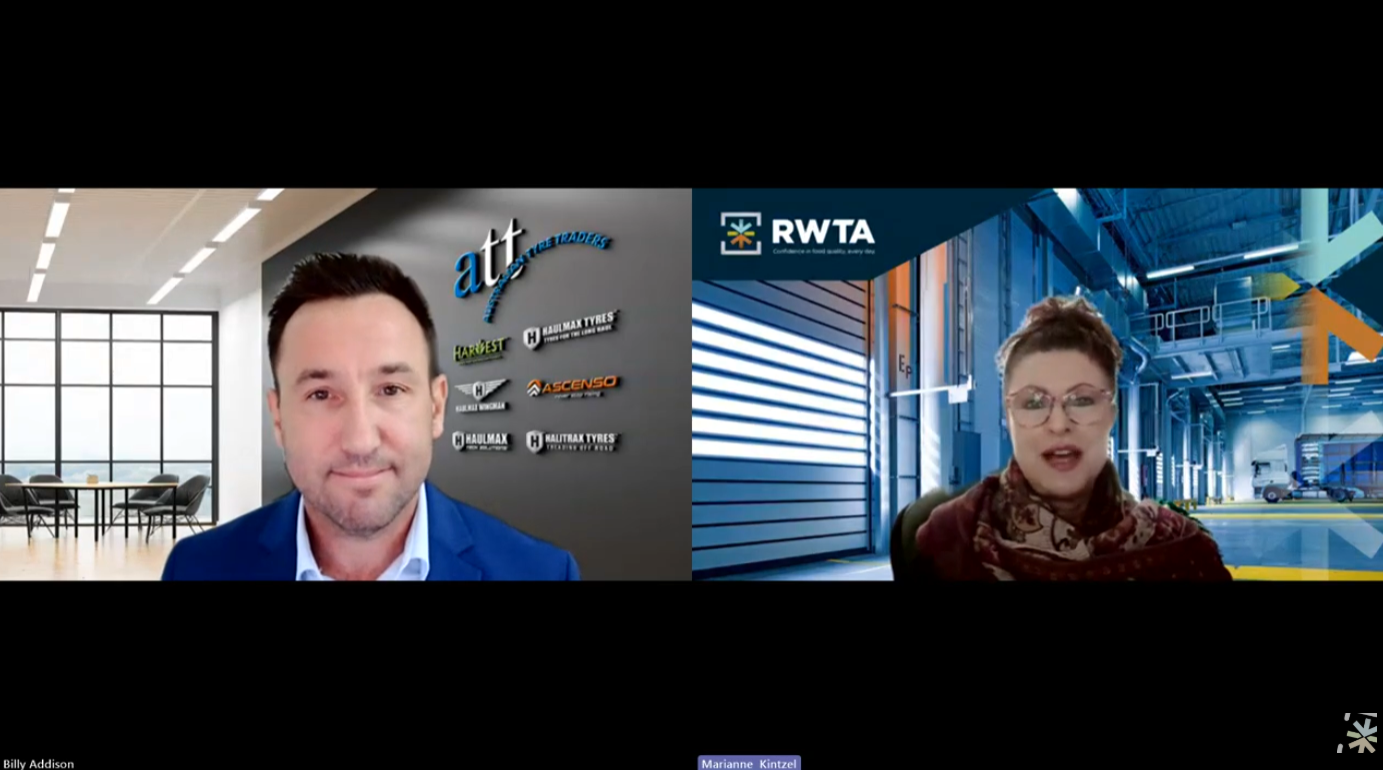
New Member Haulmax Tyres: Driving Performance, Safety and Efficiency
Billy Addison from Haulmax Tyres joins the RWTA's Chilled-Out Series to discuss why Australian-engineered tyres are delivering real benefits for transport operators.
Billy Addison from Haulmax Tyres joins the RWTA's Chilled-Out Series to discuss why Australian-engineered tyres are delivering real benefits for transport operators.
Discover how the right tyre choice can improve safety, reduce operating costs and maximise performance across the cold chain.
If your business relies on road transport, this is a conversation worth watching.
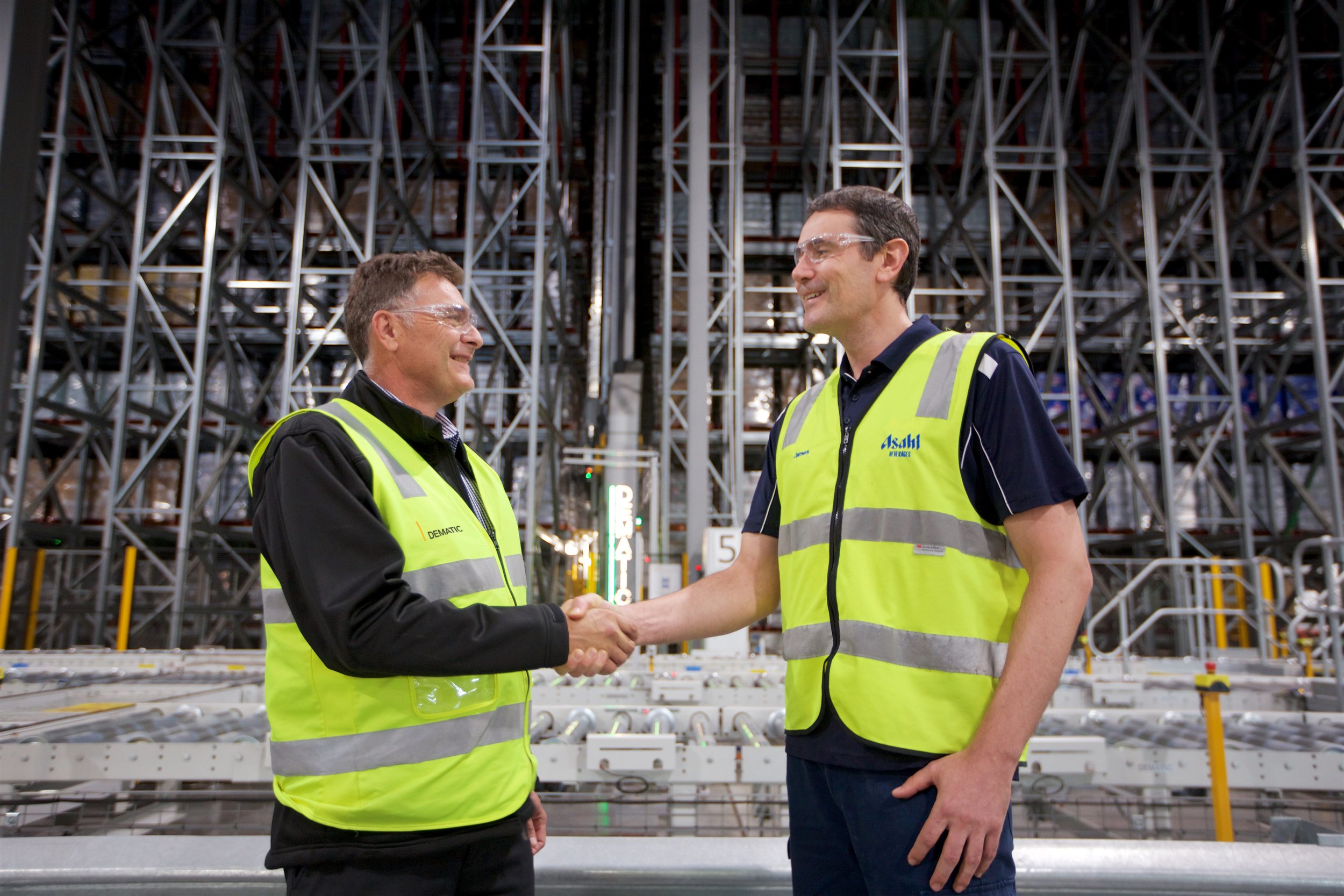
DEMATIC CELEBRATES 60 YEARS OF AUSTRALIAN INNOVATION AND SUPPLY CHAIN EXCELLENCE
RWTA Associate Member Dematic is marking a major milestone - 60 years of engineering excellence, innovation, and customer partnership in Australia and New Zealand.
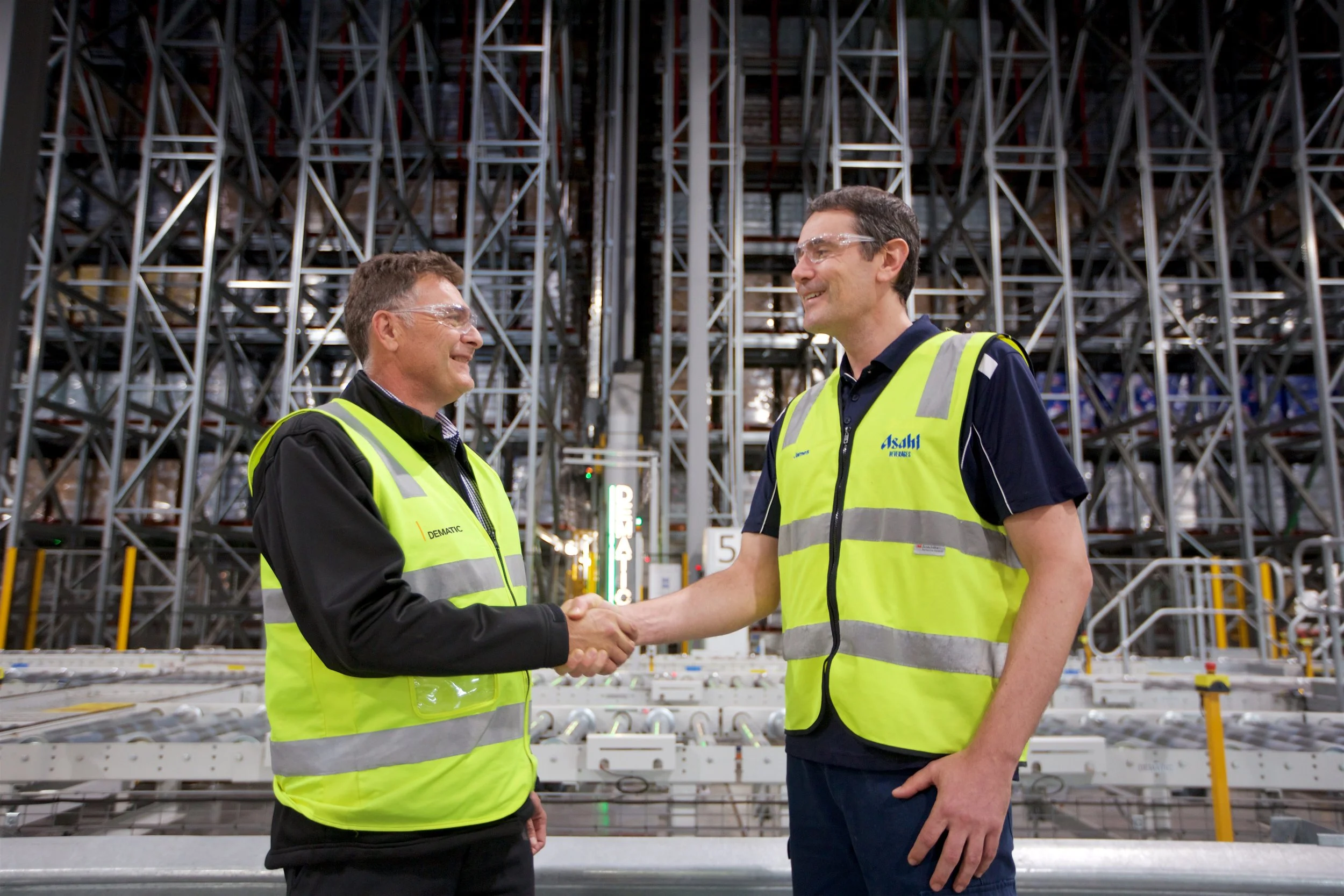

RWTA Associate Member Dematic is marking a major milestone, 60 years of engineering excellence, innovation, and customer partnership in Australia and New Zealand.
Founded as Colby Engineering in 1966 by Gerry Hatton AM, the business began as a local manufacturing and engineering operation on Sydney's Northern Beaches.
Six decades on, Dematic has grown into a global leader in supply chain automation, delivering advanced technologies including robotics, goods-to-person systems, and integrated software for some of Australia's biggest names in grocery, retail, and logistics.
It's a remarkable journey, and a great story for our industry.

Pandemic, Climate, Cyber: Is Australia's Cold Chain Ready for the New Risk Landscape?
Recent global warnings about rising pandemic risks are a timely reminder that resilient supply chains are now fundamental to national resilience.

Recent global warnings about rising pandemic risks are a timely reminder that resilient supply chains are now fundamental to national resilience.
While public discussion often focuses on healthcare systems, one of the clearest lessons from COVID-19 was the critical role played by the cold chain industry in maintaining food security, pharmaceutical distribution, and essential services during prolonged disruption. The challenge for the future is not simply responding to crises but building systems capable of continuing to operate under increasingly complex pressures including pandemics, cyber threats, climate events and geopolitical instability.
For Australia’s refrigerated warehousing and transport sector, this means resilience must become part of everyday operational design through investment in workforce capability, automation, energy security, digital traceability and stronger industry-government collaboration.
The pandemic demonstrated that the cold chain is not simply a supporting service operating behind the scenes, but a critical national capability that underpins the stability of communities, healthcare and the economy. The lessons learned over recent years now provide the industry with an opportunity to lead the conversation on preparedness, adaptability and long-term supply chain resilience.
The global risk landscape is shifting. This ABC report is a timely read for anyone working in cold chain, logistics or food supply, because when the next disruption hits, our sector will again be on the front line.

Cargo Crime in Australia: Why the Cold Chain Can No Longer Treat It as Someone Else’s Problem
Recent cargo thefts overseas have targeted everything from frozen snow crab to pharmaceutical products and even 12 tonnes of chocolate. While these stories may sound unusual, they point to a much larger issue that is rapidly gaining attention across global supply chains, and Australia’s cold chain sector is not immune.

Recent cargo thefts overseas have targeted everything from frozen snow crab to pharmaceutical products and even 12 tonnes of chocolate. While these stories may sound unusual, they point to a much larger issue that is rapidly gaining attention across global supply chains, and Australia’s cold chain sector is not immune.
Cargo crime today looks very different from the traditional image many people still have in mind. It is no longer simply about opportunistic theft from a parked trailer or someone cutting a padlock at a warehouse gate. Increasingly, these crimes are sophisticated, coordinated and technology-enabled, often involving organised criminal networks operating across multiple jurisdictions.
For Australia’s refrigerated warehouse, and transport sector, this is becoming far more than a security issue. It is now a business resilience issue, a governance issue and, increasingly, a leadership issue.
The Australian Criminal Intelligence Commission (ACIC) has warned that serious and organised crime costs the Australian economy up to $68 billion annually. Supply chains have become attractive targets because they are complex, fast-moving and highly interconnected. Transport operators, warehouses, ports, subcontractors and digital systems all form part of an ecosystem that criminals are actively trying to exploit.
What is changing most rapidly is the method.
Historically, cargo theft often involved physically stealing goods in transit or breaking into facilities. Today, many thefts are orchestrated digitally before freight even begins moving. Organised groups are using fake transport companies, cloned business identities, fraudulent pickup documentation, and cyber-enabled freight diversion tactics to secure loads before disappearing with them entirely.
In many cases, there is no forced entry, no dramatic interception, and no obvious signs of theft until the freight simply fails to arrive.
For refrigerated logistics operators, the risks are particularly significant. Food and beverage products consistently rank among the most targeted cargo categories globally. High-value seafood, meat, dairy products, pharmaceuticals and premium food products are attractive because they can often be resold quickly and are difficult to trace once removed from the legitimate supply chain. We all know that loss equals cost to the business.
One of the fastest-growing concerns internationally is carrier fraud. This occurs when criminals pose as legitimate transport providers or subcontractors, accept a freight booking and disappear with the cargo. These scams are becoming remarkably sophisticated, often involving cloned ABNs, copied company branding, fake insurance certificates and convincing email domains designed to look legitimate.
For many businesses, the first indication that something is wrong comes only after a scheduled delivery fails to arrive.
At the same time, law enforcement agencies continue to warn about organised criminal infiltration within supply chains and port environments. Recent drug seizures involving refrigerated shipping containers at Port Botany have reinforced concerns about how criminal groups attempt to exploit freight movements, insider access and weaknesses in chain-of-custody systems.
While these incidents may not directly involve cargo theft, they demonstrate how valuable and vulnerable logistics networks have become.
Cybercrime is also reshaping the freight risk landscape. Increasingly, cargo theft begins with a compromised email account rather than a physical security breach. Criminals are targeting transport operators and logistics businesses through phishing attacks, dispatch manipulation and identity impersonation schemes. Given that many freight movements still rely heavily on email communication and fragmented subcontractor networks, the opportunities for fraud continue to grow.
For operational teams, the challenges are becoming more complex. Unsecured overnight parking areas, roadside stops and depot access remain traditional risk points, particularly along major freight corridors between Melbourne, Sydney and Brisbane. However, the modern risk environment now extends far beyond physical locations. Businesses must also consider the security of their digital systems, subcontractor onboarding processes and internal access controls.
Insider involvement remains another uncomfortable reality. Many sophisticated cargo crimes rely on operational knowledge, including freight schedules, customer information, depot procedures or transport routes. This makes workplace culture, governance and staff awareness just as important as locks, gates and tracking systems.
Encouragingly, many larger logistics and cold chain operators are already responding. Investments in real-time trailer tracking, geofencing technology, remote reefer monitoring and AI-enabled route analysis are becoming more common. Businesses are also strengthening carrier verification procedures, introducing dual-approval dispatch systems and placing greater focus on cyber-security training and incident response planning.
Importantly, leading organisations are recognising that cargo security can no longer sit solely within operations teams. It now requires involvement from executive leadership, risk and compliance functions, IT departments and frontline management alike.
We are all living the reality that Australia’s cold chain sector is operating in a very different environment than it was five years ago. Supply chains are faster, more digitised and increasingly interconnected. While this creates enormous efficiency opportunities, it also creates new vulnerabilities that organised criminal groups are learning to exploit.
For industry leaders, the conversation is no longer simply about preventing theft. It is about building resilient, secure and trusted supply chains capable of protecting products, customers, employees and business continuity in an increasingly complex operating environment.
For the cold chain sector, this is no longer someone else’s problem. It is now firmly part of the operational and strategic landscape we all need to navigate.
By Marianne Kintzel
Executive Officer, RWTA
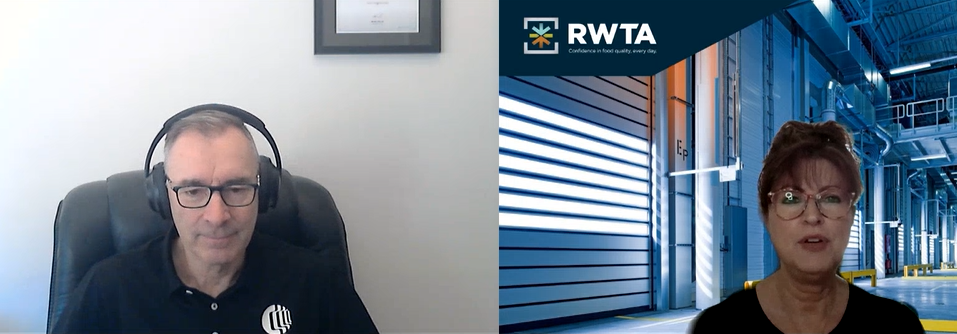
RWTA Welcomes Comau: Advancing Automation in Logistics
Automation is reshaping our industry. New Member of the RWTA, Comau shares what’s ahead for robotics in the cold chain and what it means for your business.

Automation is reshaping our industry. New Member of the RWTA, Comau shares what’s ahead for robotics in the cold chain and what it means for your business.
If you’re thinking about efficiency, workforce challenges, or future growth, this is well worth a watch.

The Future of Cold Chain Is Running on Australian Sunshine
Protran Solutions brings the world's most capable solar-electric transport refrigeration unit to TruckShowX 2026 - and the results speak for themselves.
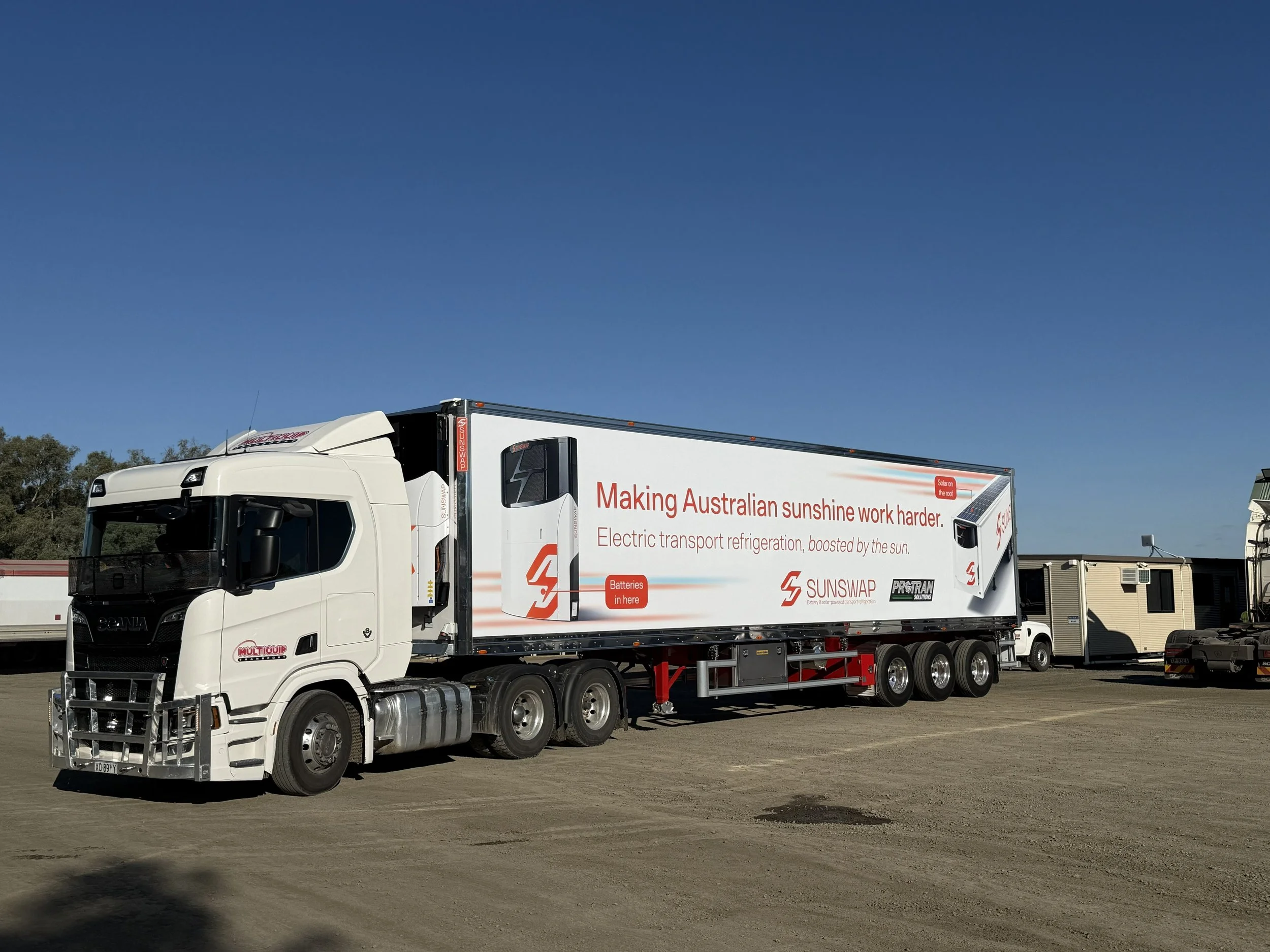
Protran Solutions brings the world's most capable solar-electric transport refrigeration unit to TruckShowX 2026, and the results speak for themselves.
Australian fleet operators are under pressure to cut emissions, reduce fuel costs, and prove their sustainability credentials. The Sunswap Endurance, a fully integrated solar-electric transport refrigeration unit, isn't a concept or a pilot programme. It's a commercially proven technology that has already completed the world's longest zero-emission solar-charged refrigerated transport trial: a 1,671-kilometre return journey between Sydney and Brisbane, finishing with 62 per cent battery remaining.
A more recent 1,200-kilometre trial through Sydney, Canberra, and Griffith returned 67 per cent battery life, maintaining a constant temperature of -5°C across a 36-hour cycle on Australian roads.
Protran Solutions will showcase the Sunswap Endurance at TruckShowX 2026 in the Hunter Valley, 18–19 May, and take to the main stage on Tuesday 19 May as part of the "Innovative Energy Security" session.
If you're a fleet operator, logistics manager, or cold chain professional, this is worth your attention.
Introducing new Member JLL!
In this conversation, he outlines what RWTA members should be considering now to stay ahead in a rapidly evolving market. Grab a cuppa and watch now!

New Member, Miguel Lee from JLL joins us in this week’s Chilled Out series, sharing his perspective from the front line of Australia’s industrial and logistics property market.
With Western Sydney at the centre of freight and distribution growth, Miguel offers valuable insight into what’s shaping facility demand and future cold storage development.
In this conversation, he outlines what RWTA members should be considering now to stay ahead in a rapidly evolving market. Grab a cuppa and watch now!
New member CBRE and Market Insights in Australia
In this interview, Andrew Needham of touches on how CBRE play a key role in advising on property trends that directly impact supply chains, including the growing demand for cold storage infrastructure.

New member CBRE is a global leader in commercial real estate, with deep expertise across industrial and logistics assets.
In this interview, Andrew Needham of touches on how CBRE play a key role in advising on property trends that directly impact supply chains, including the growing demand for cold storage infrastructure.
With insight across both local and global markets, CBRE brings a valuable perspective on where the sector is heading.
Watch here now!